Blog
For the last three months I have been working on a project for NBD Biblion, a non-profit who provides digital and physical services for nearly all Dutch libraries. This blog describes the project from start to end, explains the high level setup of the solution, and contains some thrilling images!
The client
If you’ve ever been to a Dutch library as a child, you might have noticed that the books have a thicker cover than normal. Turns out it’s NBD Biblion who produces those books, they even maintain their own machines for it!
Not only that, but they also provide digital services such as automated book classifications and recommendations for the hundreds of new books that get released every week. And, in this case, providing interactive recommender apps to libraries who need them!
It’s an interesting organization, and they had an interesting project.
The project
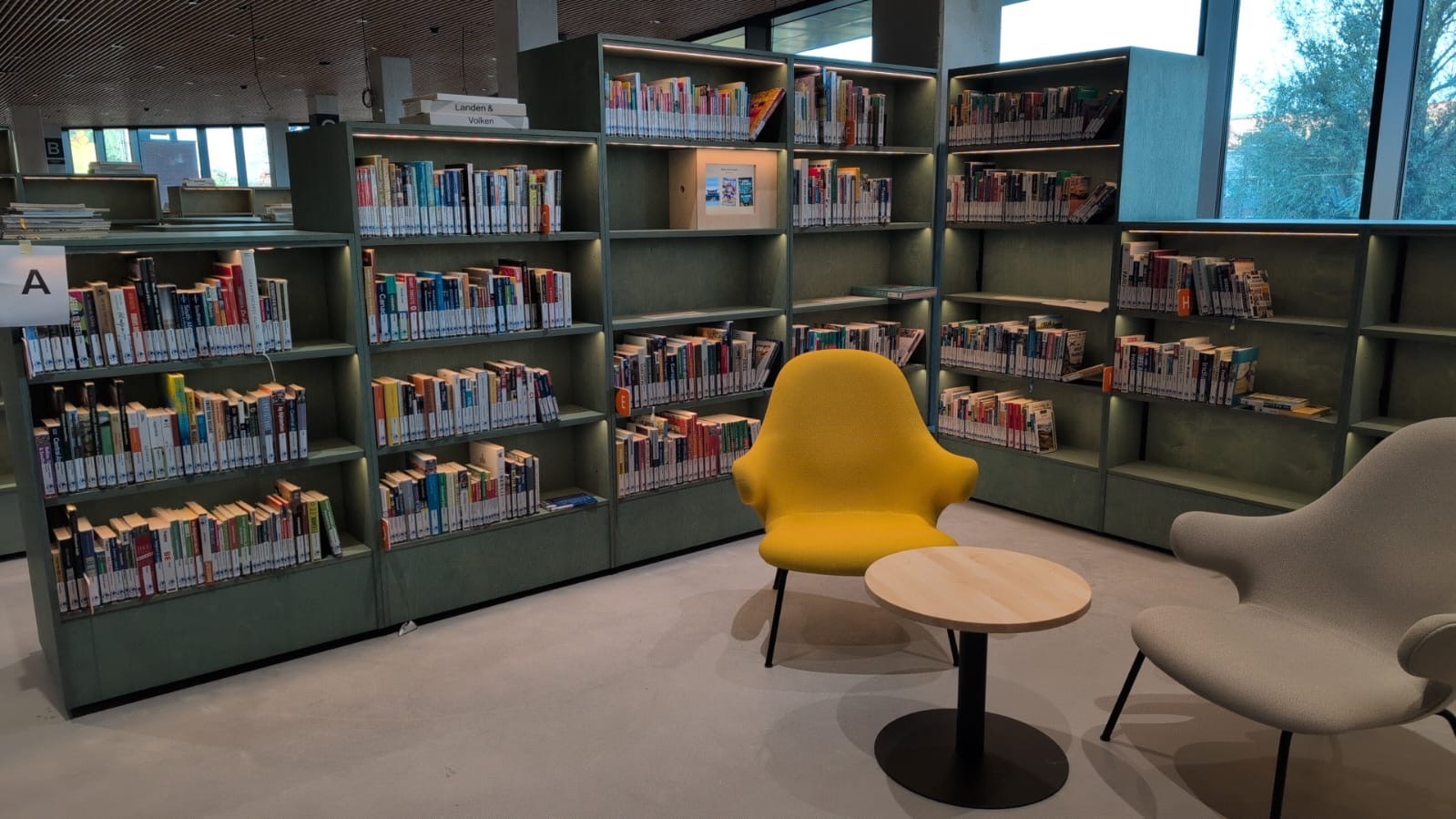
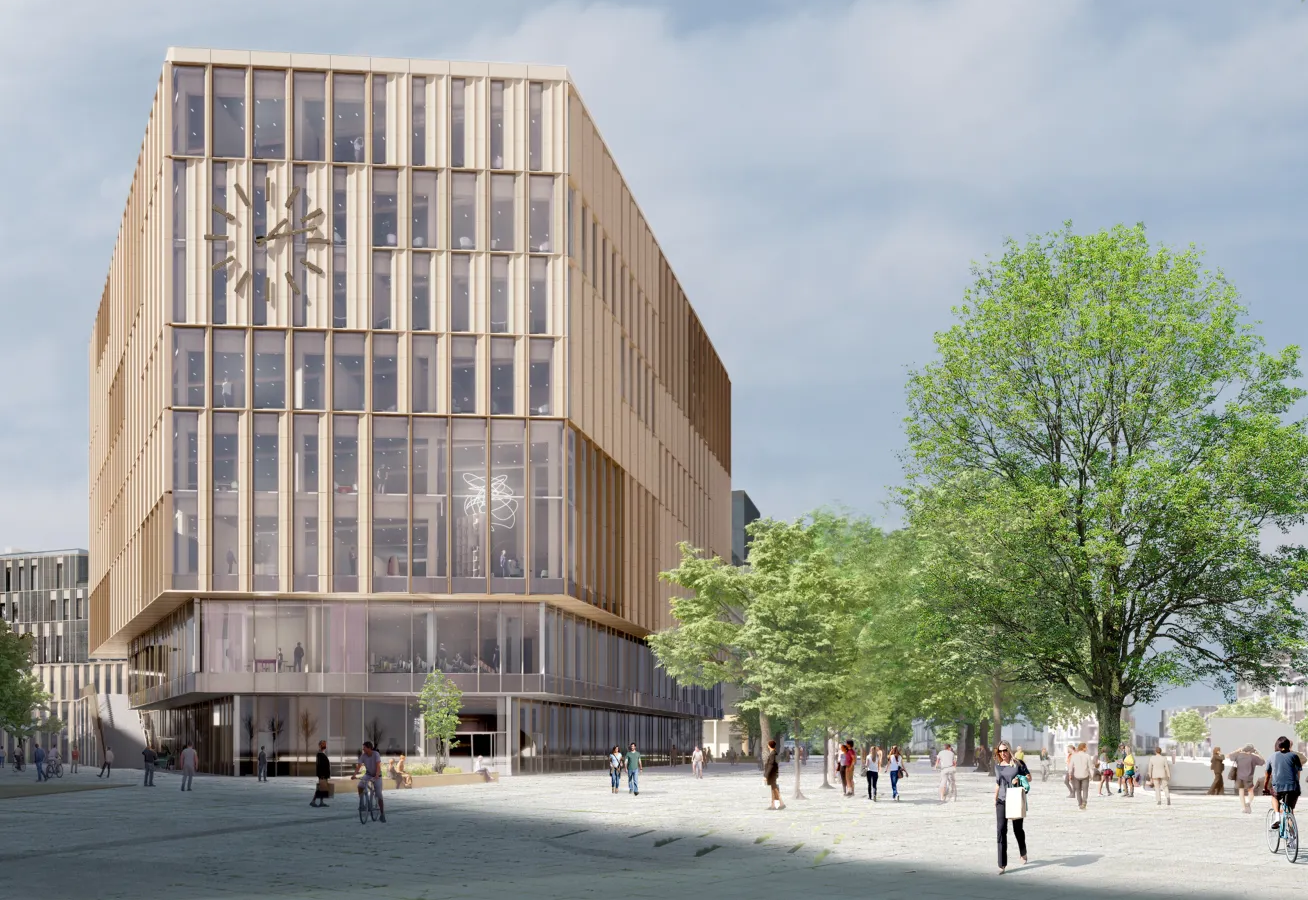
Mid November there will open a new hybrid building in the city of Dordrecht. It will serve in part as a community center; a place for the locals to study, relax, and hang out. It also features a tightly integrated library, to provide books to curious passers-by.
In order to help every visitor to the book they enjoy the most, they wanted to build recommender kiosks. iPads will be placed all around the building, tempting unsuspecting book-lovers to answer a few questions about their interests, and providing them with the book that suits them best.
The building is divided by topic. There are rooms in the theme of History, Science, Food, Religion and many, many more. This means they didn’t want a couple of recommender apps, they wanted 20.
Applications as content
Now every time I hear a number bigger than three, my software engineering instinct kicks in and it’s time to start abstracting. What do these apps all have in common?
- Is the book data provided in a similar manner?
- Do they share visual components?
- Isn’t a recommender system really just one big form with results?
Now it won’t surprise you that the answer to all of these questions is a resounding yes. Partly because I made sure to write them that way, but also because as long as you abstract enough, every problem is the exact same.
With only 3 months to complete the project, we would need to complete one application every 3 days. A rapid pace, but not impossible given proper reuse and abstractions.
While applications are not fully static, they are static enough that you can view them as content. If we can define a full application as content, we can create behaviour that implements it!
AppEngine
The AppEngine is the heart of the project.
It defines a format called the AppConfig which is a full description of an application.
It looks something like this:
appId: food

stages:
  - id: attract
    screen: FoodAttractScreen
    data:
      title: Find a tasty book
    transition:
      type: next
      stage: question

  - id: preference
    screen: FoodQuestionScreen
    data:
      background: green
    question:
      title: What are you looking for?
      type: multiple-choice
      maxAnswers: 1
      answers:
        - snacks:
            label: Snacks
            icon: chips
            transition: result
        - dinner:
            label: Dinner
            icon: plate
            transition: result

  - id: result
    screen: FoodResultScreen
    isResult: true
    data:
      title: Select a book
    transition: end
The engine parses this configuration file, follows the transitions and renders the correct screens with the related questions and data. It records all user responses and when instructed, calculates the recommended books based on the provided responses.
An additional bonus of standardising every application in this manner is that ancillary services become trivial to implement. Logging or analytics can be added within the engine and are therefore automatically supported across all applications.
It is a relatively simple but incredibly powerful system that works great!

The screens
Having a great software architecture is something I care about deeply, but the end user might not so much. They want an application that is fun to interact with, and recommends them a good book. The recommendation aspect is already handled by NBD Biblion, but we still got to make sure our applications look and feel great.
For this project we worked together with graphic designers, who created the layouts for every screen in each application. Based on these designs, we implemented a shared component library with a small theming system. Each application has a home button for example, whose icon can be configured through the theme.
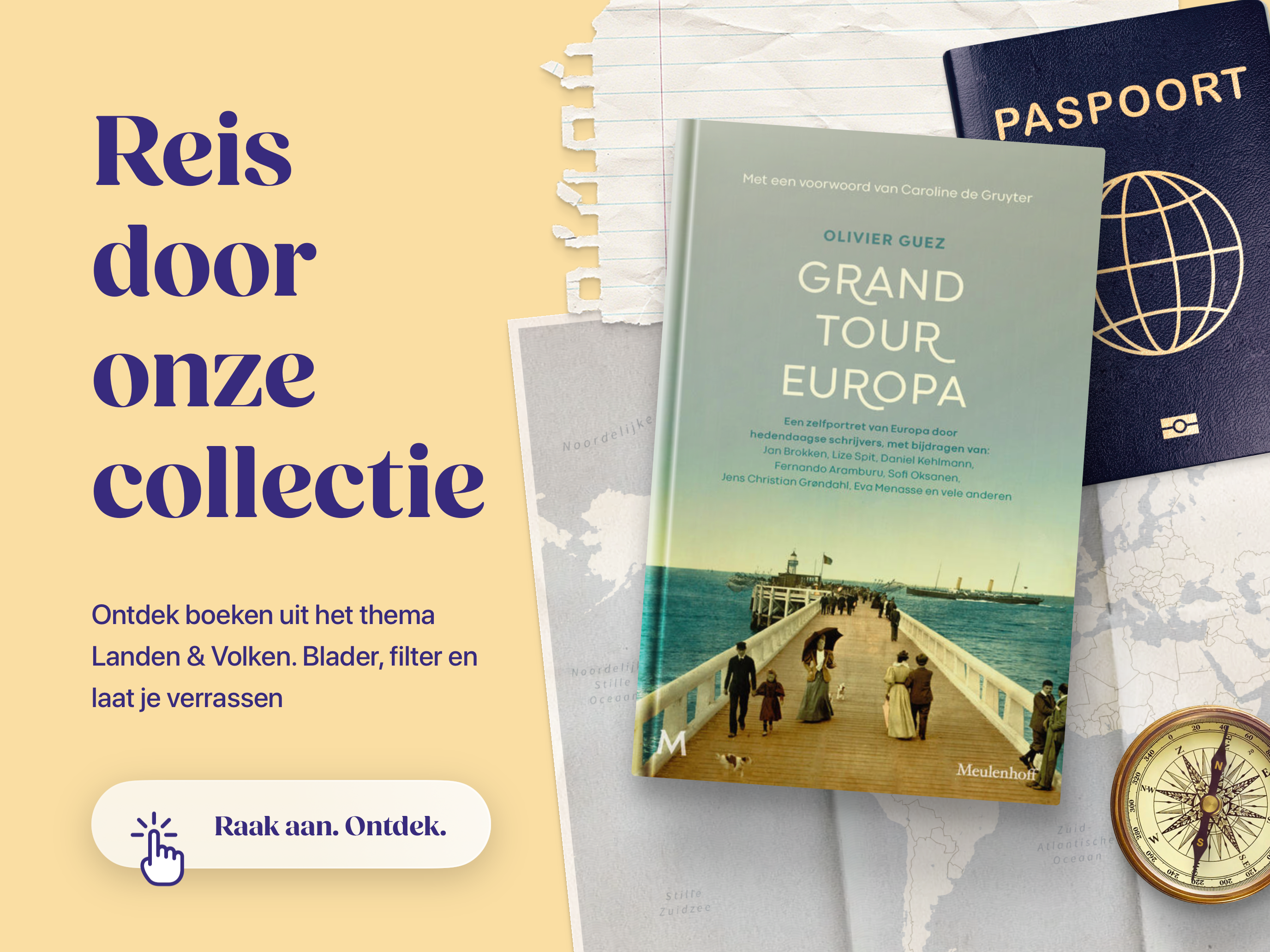
With this component library we could finally implement the various screens, which you can admire in the screenshots sprinkled across this article.
The result
After 3 months of hard work, we delivered 20 iOS applications that allow users to find their future favourite books. It was very fun to work with the people of NBD Biblion, and I think we accomplished a great result in such a short time. Not only the working recommendation apps, but a solid foundation to deliver even more complex and interesting experiences with in the future!
If you’d like to see the app in action, feel free to swing by Dordthuis! It opens November 23, 2026.